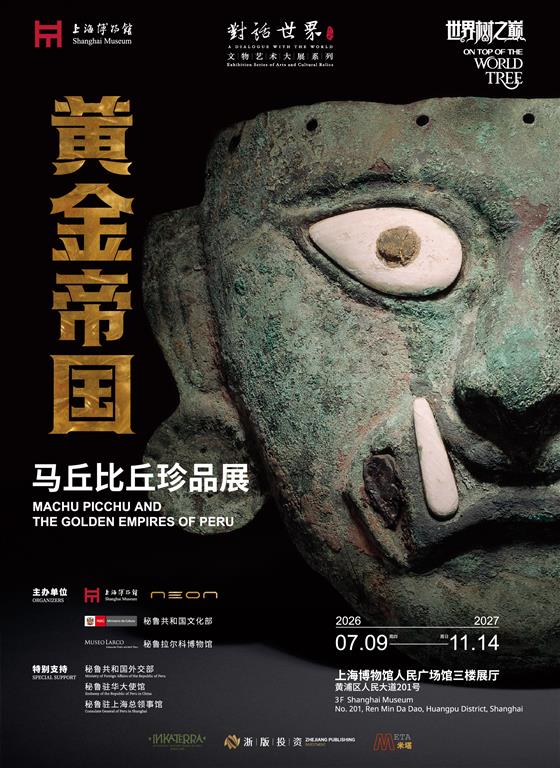
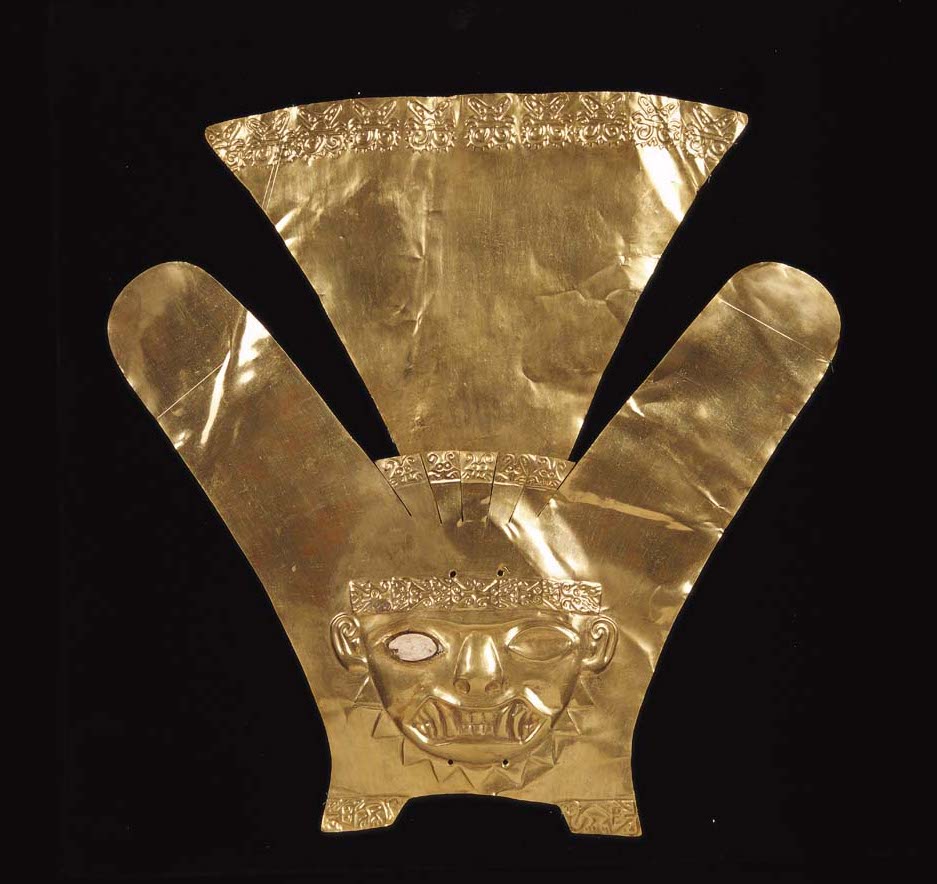
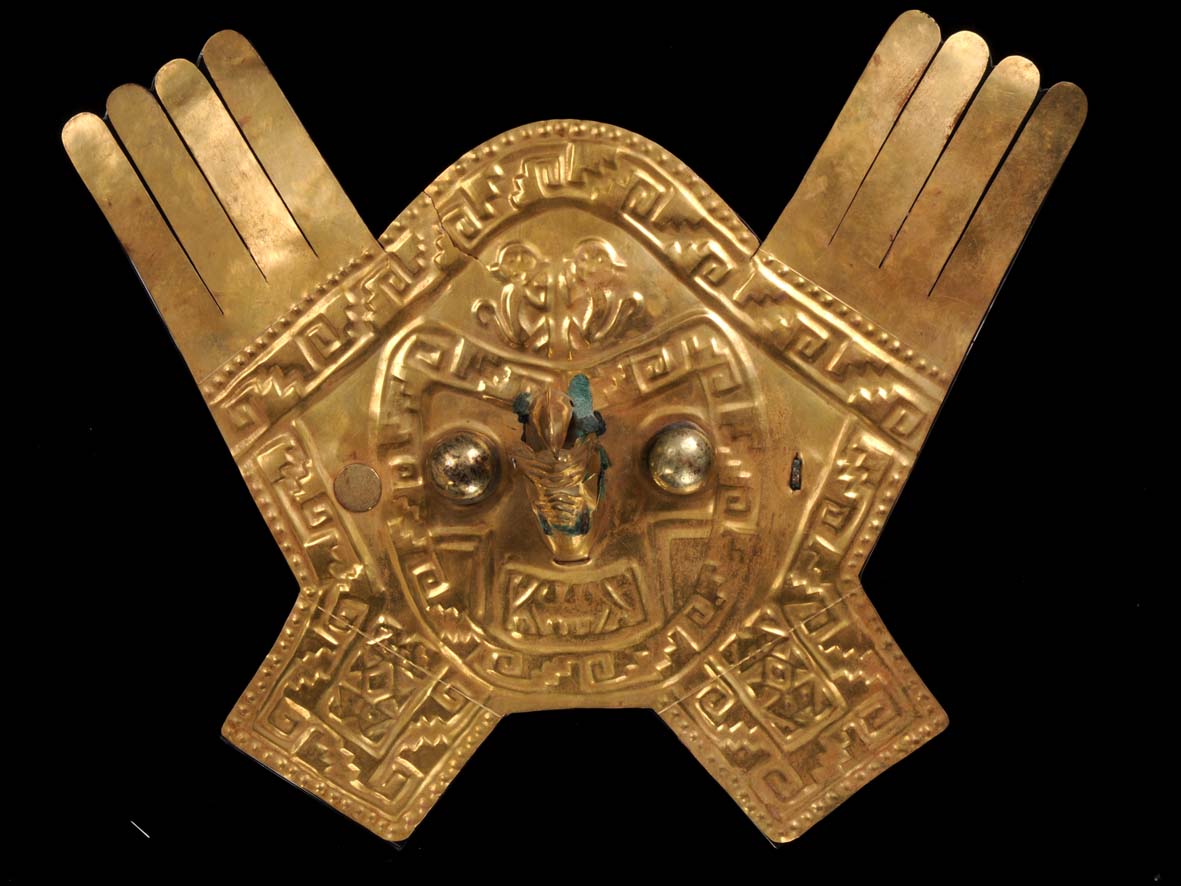
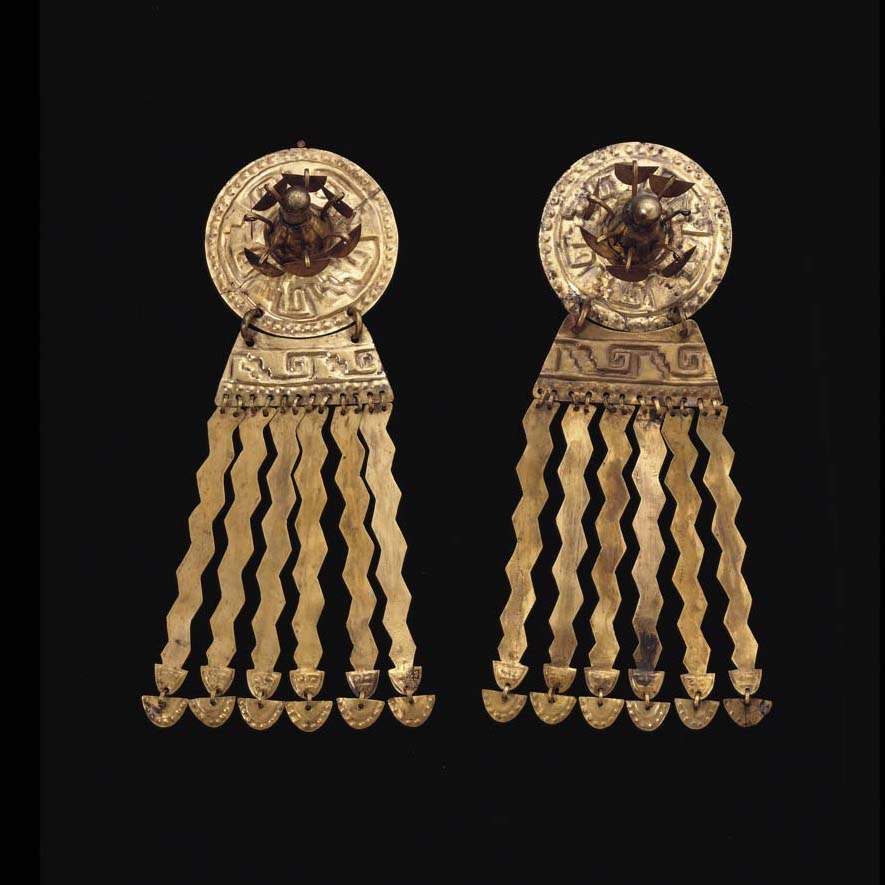
From July 9, 2026, to November 14, 2027, the Shanghai Museum in Shanghai, China, is hosting 325 archaeological objects from ancient Peru, all from the Museo Larco collection, as part of the
exhibition "Machu Picchu and the Golden Empires of Peru". This exhibition is the sixth stop on a world tour organized by World Heritage Exhibitions and NEON, with the support of Peru’s Ministry of Culture and in partnership with Inkaterra Asociación. The five previous venues were the
Boca Raton Museum of Art in Florida, USA;
La Cité de l’Architecture et du Patrimoine in Paris, France; the
Museo delle Culture (MUDEC) in Milan, Italy; the
Australian Museum in Sydney, Australia; and the
Mori Art Museum in Tokyo, Japan.
The Shanghai Museum is presenting “Machu Picchu and the Golden Empires of Peru” as part of a larger exhibition titled "
On Top of the World Tree: Ancient Civilizations of the Americas". The exhibition offers a panoramic view of the major civilizations of Mesoamerica and the Andes, including the Olmec, Maya, Teotihuacan, Aztec, and Andean cultures (Moche, Chimú, and Inca). It spans a period from 1200 BC to the 16th century AD.
The art of ancient Peru invites us to explore it closely and connect with a different way of understanding the world around us. Each of these creations, which today we might interpret as works of art, represented powerful beings for the ancient societies of Peru, capable of animating the forces of nature and ensuring the renewal of life’s cycles. Through characters, rituals, and myths, visitors to the exhibition can discover how knowledge of the land made the emergence of Andean civilization possible. The exhibition takes visitors on a journey through more than 2,500 years of cultural development, connecting us with the history of ancient Peru, which is also part of the history of the human experience.
During this period,
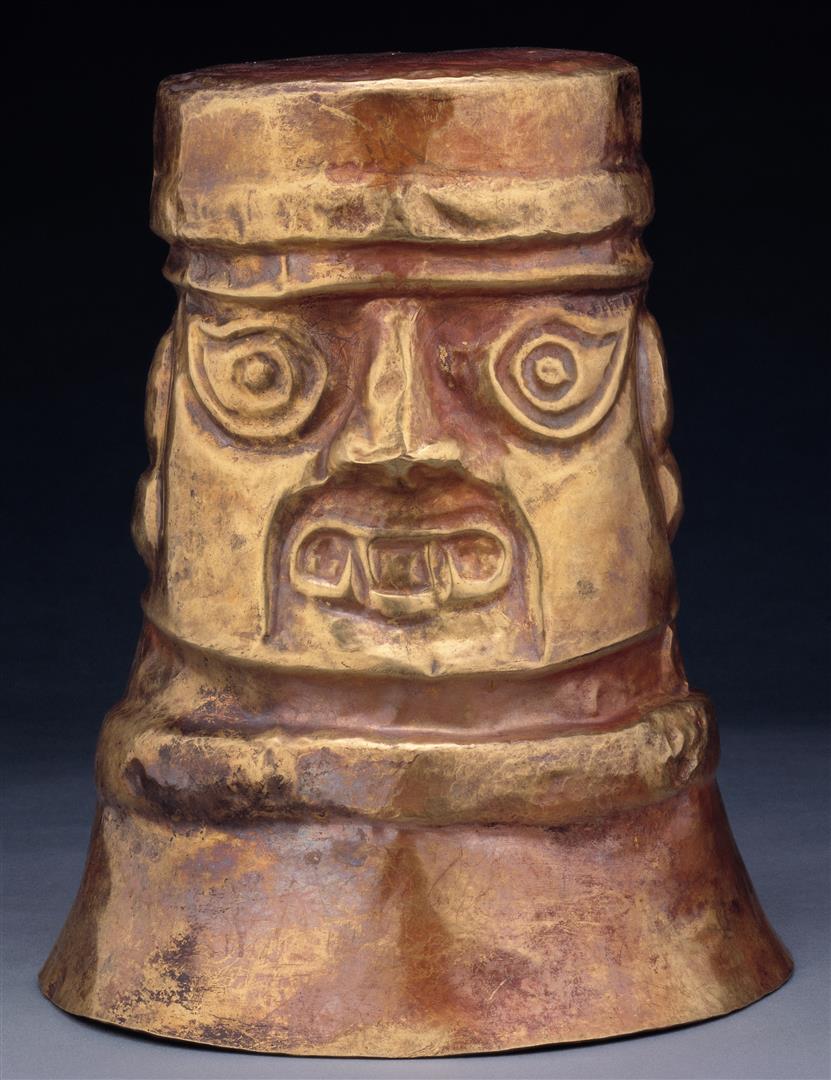
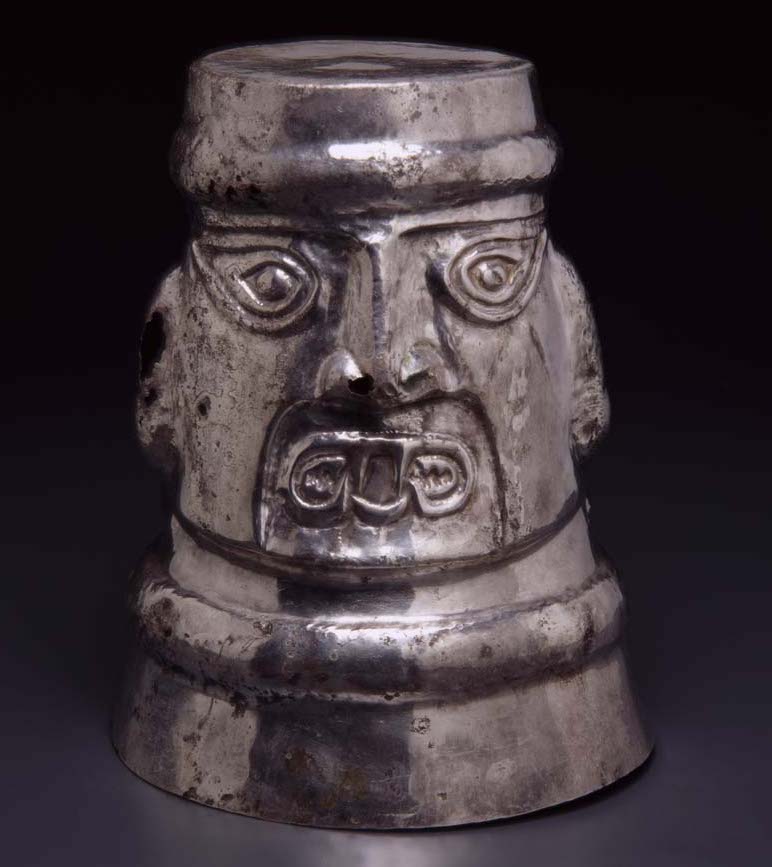
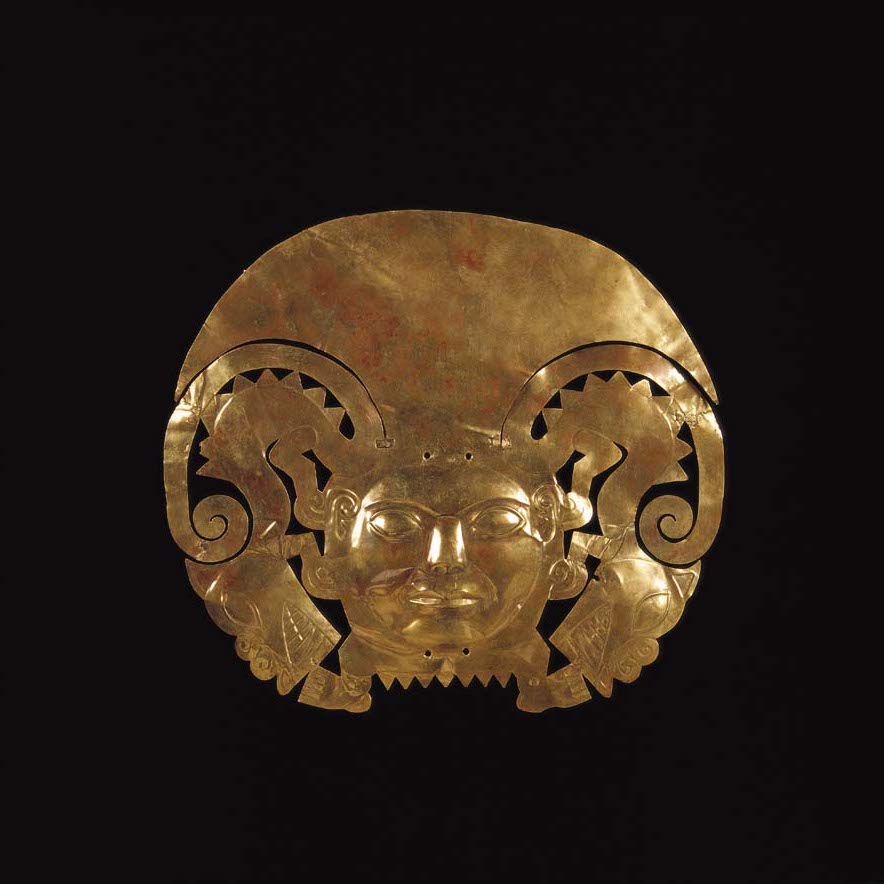
the objects featured in this virtual gallery have been replaced with high-quality replicas in Museo Larco’s Permanent Exhibition.